
NR Eye Clinic
Shop no 2, Shree Ganga Empire, Limbodi Main Road, Khandwa Rd, behind Queens College
Call Us
+91-9644145565
Mail Us
nreyeclinic@gmail.com
Squint Evaluation in Indore
Home » Treatments » Squint Evaluation
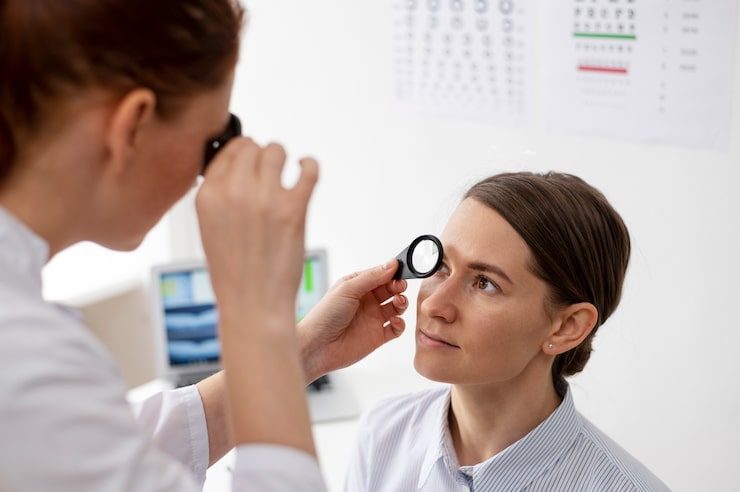
Squint Evaluation Indore
A squint evaluation in Indore is a comprehensive eye assessment to diagnose and manage misalignment of the eyes, commonly known as strabismus. Squint can affect vision clarity, depth perception, and appearance, and if left untreated, it may lead to long-term vision problems such as amblyopia (lazy eye). Early detection and proper management are essential for both children and adults. Consulting an experienced eye doctor in Indore at the first sign of misalignment can make a significant difference to the outcome.
What is a Squint?
A squint, or strabismus, occurs when the two eyes do not point in the same direction at the same time. While one eye looks straight at an object, the other may turn inward, outward, upward, or downward. This happens when the muscles that control eye movement, or the nerves and brain pathways that coordinate them, do not work together properly. Squint may be present from infancy, develop during childhood, or appear in adulthood due to injury, illness, or neurological causes.
Symptoms That Indicate a Squint
Common signs of squint include:
- One eye turning inward, outward, upward, or downward
- Frequent squinting or closing one eye, especially in bright light
- Double vision (more common when squint begins in adulthood)
- Tilting or turning the head to see clearly
- Difficulty judging distance or poor depth perception
- Eye strain, headaches, or tiredness while reading
- Poor hand-eye coordination or frequent bumping into objects
In children, delayed visual development, poor eye coordination, or an eye that seems to “wander” when they are tired or unwell may also indicate the need for evaluation. Many parents notice that the misalignment appears only occasionally, but even intermittent squint deserves professional attention.
Types of Squint
Squint can be classified based on the direction of eye misalignment:
- Esotropia: the eye turns inward toward the nose
- Exotropia: the eye turns outward toward the ear
- Hypertropia: the eye turns upward
- Hypotropia: the eye turns downward
It can also be constant or intermittent, and may affect one eye or alternate between both. Some squints are present from birth, some are linked to uncorrected refractive errors such as long-sightedness, and others are caused by paralysis of the eye muscles or underlying medical conditions. Identifying the exact type and severity helps an ophthalmologist in Indore decide the most effective treatment.
Why Early Evaluation Matters
In young children, the visual system is still developing. If the brain receives conflicting images from two misaligned eyes, it may begin to ignore the image from the deviating eye. Over time, this can cause amblyopia, in which vision in that eye does not develop normally. Early diagnosis and treatment during childhood offer the best chance of preserving vision and developing proper binocular vision.
In adults, squint may cause double vision, loss of depth perception, and reduced confidence due to the visible misalignment. Sudden-onset squint in an adult can sometimes signal an underlying health issue and should be examined promptly.
Squint Evaluation and Treatment Process
The evaluation typically involves:
- Detailed history: onset, duration, family history, and any related symptoms or past eye problems.
- Visual acuity testing: checking how clearly each eye sees, using age-appropriate methods for children.
- Refraction test: measuring for spectacle power, often with eye drops in children for accuracy.
- Alignment and cover tests: assessing the direction and degree of misalignment.
- Eye movement assessment: checking how well the eye muscles work in all directions of gaze.
- Binocular vision and depth perception testing: evaluating how well the two eyes work together.
- Dilated eye examination: examining the internal structures of the eye to rule out other causes.
Based on the findings, treatment may include:
- Corrective glasses: often the first step, especially when squint is linked to refractive error.
- Patching or vision therapy: used to treat amblyopia and strengthen the weaker eye.
- Eye exercises: to improve coordination and control, particularly in intermittent exotropia and convergence problems.
- Prism lenses: to help reduce double vision in selected cases.
- Squint surgery: performed by an experienced eye surgeon in Indore in more severe or persistent cases, to adjust the eye muscles and improve alignment.
The goal is to improve eye alignment, vision, and overall visual function, as well as appearance and confidence.
Squint Surgery: What to Know
When glasses and non-surgical methods are not enough, squint surgery may be recommended. The procedure involves repositioning or adjusting the muscles around the eye to restore better alignment. It is usually performed under anaesthesia, and most patients return home the same day or after a short stay. Recovery is generally quick, though some redness and mild discomfort are common initially. Your eye surgeon will explain the benefits, risks, and expected results in detail, and follow-up visits ensure healing and long-term stability. In some cases, more than one procedure or additional glasses or therapy may be needed.
Squint in Children vs. Adults
Children: Treatment focuses on preventing amblyopia and encouraging normal visual development. Regular follow-ups are important as the child grows.
Adults: Treatment aims to relieve double vision, improve alignment, and restore comfort and confidence. Adults with long-standing squint can often benefit from treatment too, as it is never too late to seek an evaluation.
Why Choose Us for Squint Evaluation in Indore
Our clinic provides specialized squint evaluation in Indore with advanced diagnostic tools and personalized care for patients of all ages. The approach focuses on:
- Accurate diagnosis through a thorough, step-by-step examination
- Clear explanation of your or your child’s condition in simple language
- Individualized treatment planning based on type, severity, and age
- Child-friendly examination methods that put young patients at ease
- Careful monitoring of progress and long-term follow-up
Whether you are looking for an eye surgeon in Indore for surgical opinion and treatment, our goal is to provide dependable, patient-focused care.
Book Your Squint Evaluation Today
If you notice eye misalignment or vision issues in yourself or your child, do not wait for the problem to resolve on its own. Consulting Dr. Amitesh Satsangi, ophthalmologist in Indore, for a squint evaluation can help restore proper eye alignment and improve visual health. Early assessment and the right treatment plan can protect vision, improve visual comfort, and support better quality of life.
Call Us
+91-9644145565
Mail Us
nreyeclinic@gmail.com
NR Eye Clinic
Shop no 2, Shree Ganga Empire, Limbodi Main Road, Khandwa Rd, behind Queens College, Indore, Madhya Pradesh – 452020