
NR Eye Clinic
Shop no 2, Shree Ganga Empire, Limbodi Main Road, Khandwa Rd, behind Queens College
Call Us
+91-9644145565
Mail Us
nreyeclinic@gmail.com
Cataract Surgery in Indore
Home » Cataract Surgery
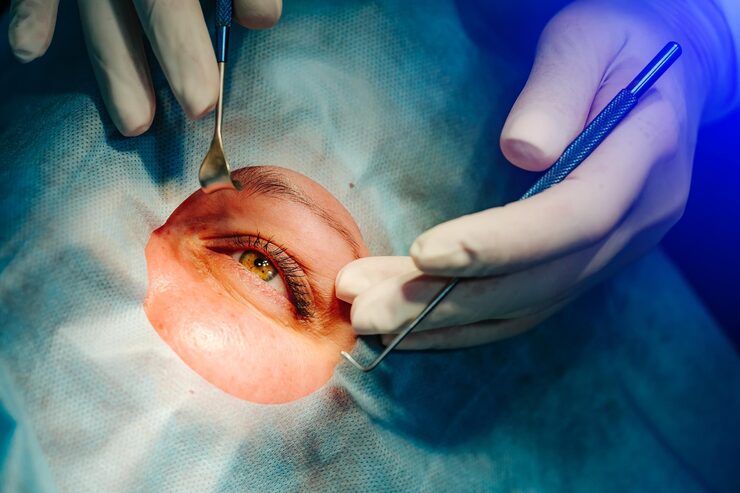
Cataract Surgery in Indore
Cataract surgery is a safe and effective procedure used to restore clear vision when the natural lens of the eye becomes cloudy. Cataracts usually develop slowly and can affect daily activities such as reading, driving, or watching television. With modern surgical methods, the procedure is quick, precise, and focused on improving vision with minimal discomfort.
What Is a Cataract?
The lens inside your eye sits behind the pupil and focuses light onto the retina. When the proteins in the lens clump together over time, the lens turns cloudy and light cannot pass through clearly. This is a cataract. It is not a growth or film over the eye, and it cannot be treated with drops or exercises. Once a cataract starts to interfere with daily life, surgery is the only effective treatment.
Symptoms of Cataracts
Cataracts often begin subtly and progress over time. Common symptoms include:
- Blurred or cloudy vision
- Difficulty seeing at night
- Increased sensitivity to light
- Glare or halos from headlights and bright lights
- Faded or yellowish colours
- Double vision in one eye
- Frequent changes in spectacle power
- Needing brighter light to read
Early evaluation helps prevent further vision loss and ensures timely treatment.
Types of Cataracts
Cataracts are classified by their cause and by where they form in the lens:
- Age-related cataract: The most common type, developing naturally over time
- Nuclear cataract: Forms in the centre of the lens and may cause yellowing and a temporary improvement in near vision
- Cortical cataract: Begins at the edges of the lens and spreads inward
- Posterior subcapsular cataract: Forms at the back of the lens and often causes glare and trouble reading
- Cataract due to diabetes: Can develop earlier and progress faster
- Traumatic cataract: Follows an eye injury
- Steroid-induced cataract: Linked to long-term use of steroid medication
- Congenital cataract: Present at birth or appearing in early childhood
Identifying the type helps in planning the most suitable surgical approach.
When Should You Consider Surgery?
There is no need to wait for a cataract to become “ripe.” Surgery is generally advised when the cataract begins to affect your daily life, such as when you struggle to read, drive at night, recognise faces, or carry out your work safely. It may also be recommended earlier if the cataract is interfering with the treatment of another eye condition, such as diabetic retinopathy or glaucoma. A detailed examination will show how much the cataract is affecting your vision and whether it is the right time to operate.
Cataract Surgery Treatment and Process
Cataract surgery involves removing the cloudy natural lens and replacing it with a clear artificial lens known as an intraocular lens (IOL). The procedure is painless, minimally invasive, and usually completed within a short time.
Before surgery: A thorough eye examination is carried out, including measurements of the eye to calculate the correct lens power. Your general health, blood pressure, and blood sugar are also reviewed.
During surgery: The eye is numbed with anaesthetic drops or a local injection. A tiny incision is made, the cloudy lens is broken up and gently removed, and the new lens is placed in the same position.
After surgery: Most patients return home the same day and notice improved vision within a few days. You will be given eye drops to prevent infection and reduce inflammation, along with simple instructions for aftercare.
Choosing the Right Intraocular Lens
The type of lens implanted affects how you see after surgery, so it is worth discussing the options in advance:
- Monofocal lenses: Provide clear vision at one distance, usually far, with glasses needed for reading
- Multifocal and extended depth of focus lenses: Aim to reduce dependence on glasses at multiple distances
- Toric lenses: Correct astigmatism along with the cataract
The right choice depends on your eye health, lifestyle, and expectations. Your surgeon will explain the benefits and limitations of each option so you can decide with confidence.
Recovery and Aftercare
Recovery from cataract surgery is generally quick, though healing varies from person to person. To support a smooth recovery:
- Use all prescribed eye drops on schedule
- Avoid rubbing or pressing the eye
- Wear the protective shield or glasses as advised
- Avoid heavy lifting and strenuous exercise for the period your surgeon recommends
- Keep water, dust, and soap away from the eye in the first few days
- Attend every follow-up visit
- Report increasing pain, redness, or a drop in vision to your doctor immediately
Mild itching, grittiness, or watering is common in the early days and usually settles on its own.
Benefits of Cataract Surgery
- Clearer, brighter vision and better colour perception
- Improved ability to read, drive, and perform daily tasks
- Reduced glare and better night vision
- Greater independence and safety, including lower risk of falls
- Reduced dependence on glasses in many cases, depending on the lens chosen
- Quick procedure with a short recovery period
As with any surgery, there are small risks such as infection, inflammation, or clouding of the lens capsule later on, which can be treated with a simple laser procedure. Your surgeon will discuss these with you before the operation.
Why Choose Dr. Amitesh Satsangi for Cataract Surgery?
Our clinic provides cataract surgery in Indore using advanced diagnostic technology and refined surgical techniques. The focus remains on safety, precision, and personalised care to ensure consistent results and a smooth recovery for every patient. When you consult an eye doctor in Indore who explains your diagnosis and options in plain language, you can approach surgery with confidence. You can expect:
- Detailed pre-operative evaluation and accurate lens power calculation
- Honest advice on whether and when surgery is needed
- Clear explanation of lens options
- Careful surgical technique with attention to comfort
- Structured post-operative care and follow-up
Dr. Amitesh Satsangi is an ophthalmologist in Indore who also manages related conditions such as glaucoma and retinal disease, so any other eye problem found during your evaluation can be addressed in the same place.
Book Your Cataract Consultation
If cataracts are affecting your vision or quality of life, consulting Dr. Amitesh Satsangi can help you regain clear and comfortable vision through safe and reliable cataract surgery.
📞 Call: +91-9644145565
Dr. Amitesh Satsangi, Eye Surgeon and Ophthalmologist in Indore
Call Us
+91-9644145565
Mail Us
nreyeclinic@gmail.com
NR Eye Clinic
Shop no 2, Shree Ganga Empire, Limbodi Main Road, Khandwa Rd, behind Queens College, Indore, Madhya Pradesh – 452020
Frequently Asked Questions
How do I know if I really need cataract surgery?
If you are facing blurry vision, difficulty reading, glare from lights while driving at night, faded colors, or frequent changes in glasses number, it may be time for cataract surgery in Indore. An eye examination can confirm whether the cataract is affecting your daily life and vision quality.
Is cataract surgery painful?
No, modern cataract surgery in Indore is usually painless. The procedure is done using eye drops or local anesthesia, so patients stay comfortable throughout the surgery. Most people only feel slight pressure or mild discomfort for a short time.
How long does cataract surgery take and when can I return home?
Cataract surgery generally takes around 15–20 minutes, and patients can usually go home the same day. However, someone should accompany you because vision may remain blurry for a few hours after the procedure.
What happens if I delay cataract surgery for too long?
Delaying cataract surgery can make the cataract harder and denser, which may lead to more vision loss and a more complicated surgery later. Early treatment helps improve vision faster and reduces the risk of complications.
Is cataract surgery safe for elderly patients?
Yes, cataract surgery is considered one of the safest and most successful eye procedures, even for senior citizens. Before surgery, the doctor checks overall eye health and medical conditions like diabetes or blood pressure to ensure safe treatment.
Will I still need glasses after cataract surgery?
Many patients experience clearer vision after cataract surgery in Indore and may reduce their dependence on glasses. However, some people may still need glasses for reading or certain activities depending on the lens selected and their eye condition.
How much recovery time is needed after cataract surgery?
Most patients notice better vision within a few days after cataract surgery in Indore. Complete healing may take a few weeks. During recovery, patients should avoid rubbing the eyes, heavy lifting, and dusty environments.
Can cataract come back after surgery?
No, cataracts do not come back once removed. However, some patients may develop slight cloudiness behind the artificial lens months or years later, which can be easily treated with a quick laser procedure.
What precautions should I follow after cataract surgery?
After cataract surgery, patients should use prescribed eye drops regularly, avoid touching the eyes, protect the eyes from dust and water, and attend follow-up visits for proper healing and vision recovery.
Which type of lens is best for cataract surgery in Indore?
The best lens depends on your lifestyle, budget, and vision needs. Monofocal lenses help with distance vision, while premium lenses may reduce dependence on glasses. Your eye specialist will recommend the most suitable option after examining your eyes.
Which doctor should I consult for cataract surgery in Indore?
For safe and advanced cataract surgery in Indore, you can consult Dr. Amitesh Satsangi, Eye doctor in Indore. He provides detailed eye evaluation, personalized treatment plans, and modern cataract surgery options to help patients regain clear vision comfortably. To book an appointment, call +91-9644145565.
How can I book a consultation for cataract surgery in Indore?
If you are experiencing blurry vision, glare, or difficulty seeing clearly, you can schedule a consultation with Dr. Amitesh Satsangi, Eye doctor in Indore for expert guidance and cataract evaluation. Early diagnosis helps achieve better vision recovery and smoother treatment. Call +91-9644145565 to book your appointment today.